Choosing the Best East Palo Alto Home Additions
Transform Your Home: Inspiring Concepts for Beautiful Home Additions
Upgrading a home through well-considered additions can significantly improve both its functionality and aesthetic appeal. From sun-drenched sunrooms that maximize daylight to generous outdoor decks suited for social events, the opportunities are endless. Enlarging essential spaces, such as kitchens, encourages togetherness, while a new garage can resolve organization concerns. Grasping key design principles and proper planning is critical. Yet, what really drives homeowners to adopt these transformations? The answer resides in the life-changing potential of professionally crafted home additions.
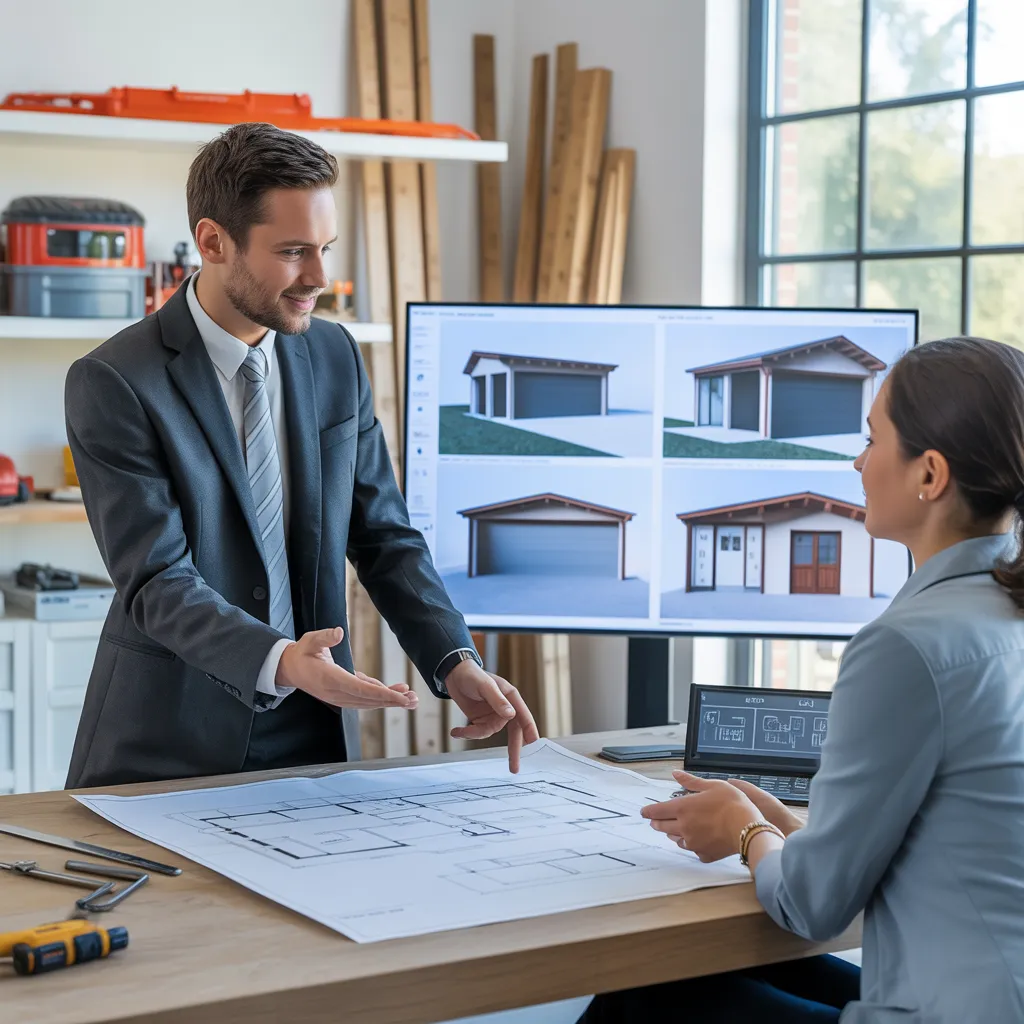
Explore Popular Home Addition Ideas to Transform Your Space
Many homeowners actively pursue unique approaches to upgrade their homes, and exploring popular home addition ideas can offer transformative solutions. A commonly preferred selection is the installation of a sunroom, which allows sunlight to flow inside while forming a tranquil area for rest. Another appealing choice is a deck or patio, stretching the home's footprint outside and well-suited for social occasions.
Homeowners might also think about broadening their kitchen areas, creating a more useful and appealing environment. A garage extension not only supplies more storage capacity but can also serve as a dedicated workspace or hobby area.
For those needing additional sleeping quarters, a bedroom addition can offer essential privacy and comfort. Additionally, converting attics or basements into livable spaces presents an opportunity for creative design while maximizing existing square footage. All of these concepts carry the potential to improve both practicality and visual appeal, ultimately turning a home into a more pleasant living space.
Ways Home Additions Can Improve Your Lifestyle?
Home additions can significantly improve living space, offering families the opportunity to grow and adapt. Additionally, enlarging a home can contribute to higher property value, making it a wise financial investment. Lastly, these additions often foster deeper family connections by developing common areas for shared activities and gatherings.
Improve Living Space
Expanding a home through home additions can considerably enhance one's lifestyle by providing greater functionality and comfort. For families, additional rooms can support evolving needs, such as a playroom for children or a private workspace for remote work. A thoughtfully designed addition can establish a natural transition between outdoor and indoor spaces, encouraging leisure and connection. Additionally, incorporating elements like expansive windows or open layouts fosters a feeling of openness and harmony with nature. Enhanced living spaces also allow for customized design decisions, showcasing individual tastes and preferences. Ultimately, home additions not only improve current areas but also establish surroundings that support well-being and enrich daily life.
Enhance Property Value
Putting money into residential expansions can significantly increase a property's market value, making it a smart investment choice. By expanding square footage or incorporating practical areas, sellers can appeal to interested purchasers and boost selling prices. Additions like new bedrooms, contemporary kitchens, or multipurpose living areas often yield significant returns on investment. Additionally, additions including sunrooms or patios not only elevate the home's appearance but also appeal to lifestyle desires, ultimately enhancing marketability. A thoughtfully executed addition can convert a property into a higher-value investment, aligning with present market demands and purchaser expectations. Ultimately, purposeful residential additions serve as a smart approach to optimizing real estate worth while enhancing the overall living experience for current occupants.
Build Family Relationships
A carefully crafted addition can significantly improve family connections by establishing spaces that foster interaction and unity. Open-plan more info floor plans, such as family rooms or generous kitchens, function as hubs for collective activities, fostering communication and bonding. Purpose-built areas for hobbies or playrooms offer children a place to engage, while adults can benefit from nearby social spaces. Additionally, incorporating outdoor living spaces, like patios or decks, enables families to congregate in a comfortable environment. These improvements not only promote everyday connections but also establish a backdrop for lasting gatherings and celebrations. Ultimately, thoughtfully designed home additions transform living environments into nurturing spaces that reinforce family ties, enhancing overall quality of life.
Essential Design Elements to Enhance Your Home Addition
When homeowners consider a home addition, including fundamental design features can greatly boost both appearance and usability. Important components consist of natural light, which can be attained with large windows or skylights, producing a warm and welcoming environment. Additionally, an open floor plan promotes seamless flow between original and expanded sections, creating a feeling of cohesion.
Combining harmonious materials and color schemes confirms the addition harmonizes with the original structure, sustaining structural cohesion. Thoughtful placement of furniture and fixtures improves utility, making the space practical for everyday life. Outside transitions, including a patio or deck, can extend living areas and encourage outdoor enjoyment. Furthermore, eco-conscious designs, incorporating sufficient insulation and environmentally friendly materials, promote enduring cost reductions and environmental stewardship. By concentrating on these fundamental design principles, residents can craft a harmonious and stunning addition that enriches their home life.
Effectively Plan Your Home Addition Project
Effective planning is vital for a productive home addition endeavor. Homeowners should begin by defining their goals, whether it's generating additional living space, improving usability, or raising the home's value. Establishing a clear vision serves to navigate the construction and design journey. Furthermore, reviewing regional zoning ordinances and construction codes is critical to secure conformity and sidestep potential obstacles.
Building a schedule that maps out every stage of the project supports ensuring focus and accountability. Residents may also want to consider hiring experts, for example designers or contractors, to gain expert recommendations and keep the project on track.
Additionally, prioritizing communication among team members promotes cooperation and tackles problems as they emerge. Finally, keeping an eye on future needs can assist in crafting an addition that maintains its value and functionality. By adhering to these guidelines, homeowners can approach their home addition endeavors with increased certainty and focus.
Home Addition Budgeting: Important Tips to Know
Budgeting for a home addition necessitates meticulous planning and consideration to minimize surprise expenditures. Homeowners should begin by determining a reasonable budget that covers all aspects of the project, including permits, materials, labor, and unforeseen expenses. It is recommended to set aside an additional 10-20% of the total budget for contingencies.
Gathering and evaluating quotes from multiple contractors can offer useful information and assist in reaching well-informed choices. Furthermore, homeowners ought to distinguish between their needs and desires, ensuring that essential features are included while remaining within budget.
Establishing a detailed timeline can assist in synchronizing expenditures with project phases, reducing financial strain. Additionally, working with a financial professional or a contractor can offer greater insight into possible expenses and funding solutions, guaranteeing that the spending stays on track throughout the home expansion project. This thoughtful strategy facilitates a prosperous and fiscally responsible property enlargement.
Real-Life Home Addition Projects That Will Inspire You
Remarkable home extension upgrades reveal the impressive promise of private residences. A perfect illustration is a modest compact home that went through a transformative renovation with a contemporary, stylish annex. By introducing a expansive culinary and dining zone, the homeowners enhanced their cooking experience while creating a inviting communal area for relatives and companions.
Another transformation features a small residence that grew upward with a charming loft, maximizing space while introducing a comfortable reading corner. This smart architectural choice not only added functionality but also infused character into the home.
Ultimately, a single-story suburban home welcomed a current design with a glass-walled sunroom, illuminating the interior with generous natural light and delivering magnificent vistas of the backyard garden.
These real-world transformations showcase the numerous opportunities for residential additions, motivating homeowners to consider their own personalized improvements and redefine their living environments.
Commonly Asked Questions
What Permits Are Required for a Home Addition Project?
For those planning a home addition project, homeowners generally require a construction permit, approval from the zoning board, and in some cases permits for electrical or plumbing work. Building codes and regulations vary by location, so consulting with municipal authorities is crucial to guarantee compliance with all requirements.
How Much Time Does a Standard Home Addition Usually Take?
A typical home addition generally takes anywhere from two to six months to complete, based on factors including size, complexity, permits, and weather conditions. Thorough planning and an efficient contractor can greatly affect the overall timeline.
Is It Possible to Stay in My Home During the Addition Process?
Absolutely, homeowners can typically live in their homes during the addition process. However, factors like the scope of the project, work area, and noise levels may affect accessibility and comfort, necessitating temporary adjustments or accommodations during construction.
What Are Common Mistakes to Avoid When Planning an Addition
Typical pitfalls to steer clear of when planning an addition include misjudging the overall budget, neglecting permits, disregarding structural requirements, neglecting to evaluate future demands, and not consulting professionals. Careful planning guarantees smoother execution and better results.
How Do I Find the Right Contractor for My Project?
To identify the right professional, one should research qualifications, check references, and establish open communication. Comparing multiple bids and evaluating previous work can help determine dependability and suitability for the specific home improvement project.